


How to Remove Oil Stains from Your Driveway: The Complete 2026 Guide
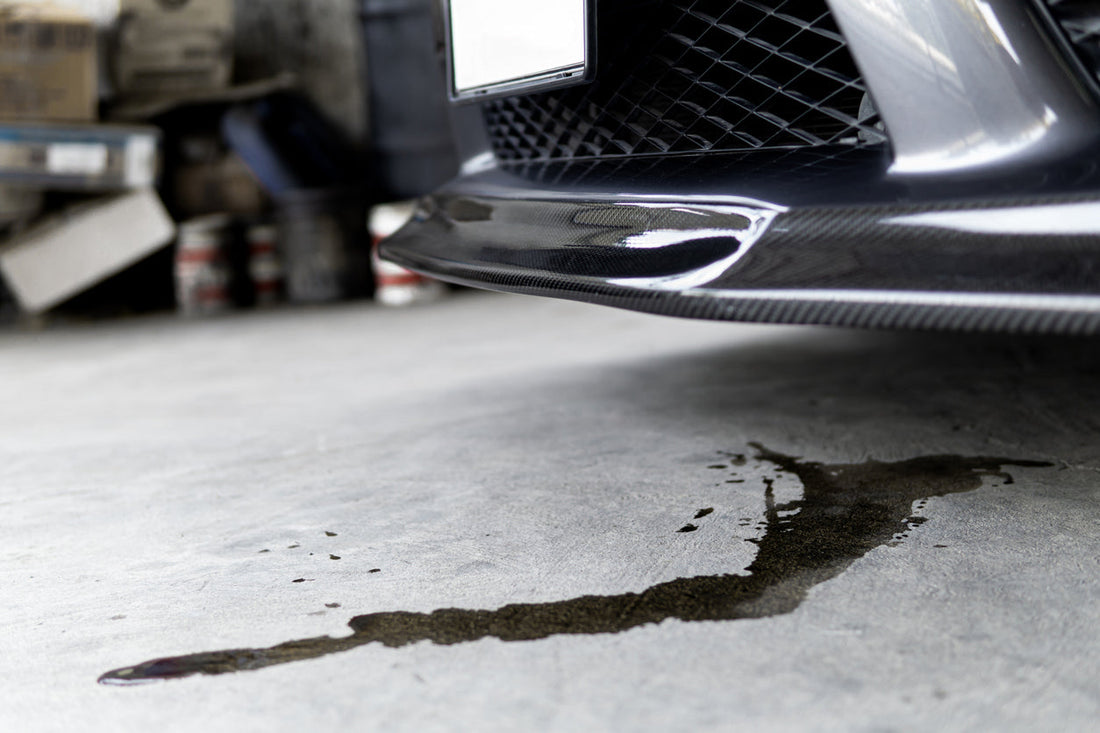
Oil stains on your driveway are more than just an eyesore. Left untreated, petroleum-based stains penetrate porous surfaces like concrete and block paving, becoming increasingly difficult to remove over time.
Whether you're dealing with fresh drips from a leaking vehicle or stubborn stains that have been there for months, this comprehensive guide covers every effective method for restoring your driveway to its original condition.
Understanding Oil Stains: Why They're So Difficult to Remove
Oil and grease stains present unique cleaning challenges because petroleum products are hydrophobic, meaning they repel water. Standard cleaning methods that work for most stains simply push oil around rather than breaking it down.
Additionally, porous surfaces like concrete and asphalt absorb oil deep into their structure, making surface-level cleaning ineffective.
The key to successful oil stain removal lies in using products specifically formulated to emulsify and lift petroleum-based substances from these porous materials.
Method 1: Dish Soap and Hot Water (Best for Fresh Stains)
How It Works
Dish soap contains surfactants designed to break down grease, making it a reasonable first response for very fresh oil spills.
Application Process
- Blot excess oil immediately with absorbent materials (cat litter, sawdust, or paper towels)
- Apply generous amounts of concentrated dish soap directly to the stain
- Pour hot water over the area and scrub vigorously with a stiff-bristled brush
- Rinse thoroughly and repeat if necessary
Effectiveness Rating: 3/10
Limitations: While dish soap works well for minor kitchen grease, it struggles with automotive oils and penetrated stains. The surfactants aren't concentrated enough to emulsify heavy petroleum products, and this method requires excessive physical scrubbing with marginal results on set-in stains.
Method 2: Baking Soda or Cat Litter Absorption
How It Works
Absorbent materials draw fresh oil out of surfaces through capillary action before it fully penetrates.
Application Process
- Cover the fresh oil stain completely with baking soda or clay-based cat litter
- Leave for 24-48 hours to absorb the oil
- Sweep up the absorbent material
- Clean residual staining with soap and water
Effectiveness Rating: 4/10
Limitations: This method only works on fresh spills and merely prevents stains from worsening rather than removing existing discolouration. Once oil has penetrated the surface, absorbent materials become ineffective.
Method 3: Pressure Washing
How It Works
High-pressure water jets attempt to blast oil residue from surface pores through sheer force.
Application Process
- Apply a degreasing agent first
- Use a pressure washer at 3000+ PSI with a 15-degree nozzle
- Work systematically across the stained area
- Repeat as needed
Effectiveness Rating: 5/10
Limitations: Pressure washing alone cannot remove oil that has chemically bonded with porous materials. While it may lighten superficial staining, it often spreads oil to surrounding areas and can damage softer surfaces. Professional pressure washing equipment is expensive to hire, and the results rarely justify the cost for oil stain removal specifically.
Method 4: Chemical Degreasers from Hardware Stores
How It Works
Generic degreasers use solvents and alkaline compounds to break down oils.
Application Process
- Apply degreaser according to manufacturer instructions
- Allow appropriate dwell time
- Agitate with a brush
- Rinse thoroughly
Effectiveness Rating: 6/10
Limitations: General-purpose degreasers vary wildly in quality. Many contain harsh chemicals that can discolour or damage driveway surfaces, particularly coloured concrete or sealed surfaces. They often require multiple applications and produce inconsistent results.
Environmental concerns also arise with runoff from these chemical-heavy products.
Method 5: WD-40 and Elbow Grease
How It Works
WD-40's solvent properties can dissolve some oil stains, which can then be wiped away.
Application Process
- Spray WD-40 liberally over the stain
- Let sit for 10-15 minutes
- Scrub with a stiff brush
- Wipe clean and rinse with soap and water
Effectiveness Rating: 4/10
Limitations: This method essentially replaces one oil-based product with another. While WD-40 may dissolve surface oils, it doesn't address deep penetration and can leave its own residue. It's also expensive for treating larger areas and not environmentally friendly.
Method 6: Coca-Cola or Other Acidic Beverages
How It Works
The phosphoric acid in cola and other fizzy, acidic drinks supposedly breaks down oil stains.
Application Process
- Pour cola directly onto the stain
- Let it sit overnight
- Scrub and rinse the next day
Effectiveness Rating: 2/10
Limitations: This viral cleaning hack sounds innovative but delivers poor results. The acid concentration in soft drinks is too weak to significantly impact petroleum stains. You'll waste money on beverages while achieving minimal cleaning, and the sugar content can attract pests and create sticky residues.
The Professional Solution: Why GK Oil Out Outperforms All Other Methods
After testing household remedies and generic degreasers, the significant performance gap becomes clear. Professional-grade products like GK Oil Out are specifically engineered for petroleum stain removal on porous surfaces, delivering results that DIY methods simply cannot match.
GK Oil Out has an oil-ingesting formula, designed for removing unsightly petroleum-based oil and grease stains from block paving and concrete, and excellent for use on porous surfaces, such as pavers, slabs, drives, pathways, and patios.
The super concentrated formula pushes oil out from deep within the pores, removing contamination without leaving a residue, making it ideal for stubborn, hard-to-remove grease and oil stains.

What Makes GK Oil Out Different
Advanced Formulation Technology
GK Oil Out is specially formulated to ingest petroleum-based oil and grease stains, making it highly effective for removing stubborn contamination on various surfaces such as concrete, or block paving.
Unlike household products formulated for kitchen grease, this industrial-strength formula targets automotive oils, hydraulic fluids, and other stubborn petroleum-based stains.
Deep Penetration Action
The product's low surface tension allows it to penetrate as deeply as the oil has absorbed, reaching into the substrate rather than sitting on the surface. This ensures complete stain removal from the molecular level up, not just superficial cleaning.
Biodegradable and Surface-Safe
Unlike harsh chemical degreasers that risk discolouring or etching your driveway, GK Oil Out's biodegradable formula is engineered to be tough on oil while remaining safe for all common driveway materials including concrete, asphalt, natural stone, and block paving.
How to Use GK Oil Out for Maximum Results
Preparation: Sweep the stained area to remove loose debris.
Application: Apply GK Oil Out directly to the oil stain. No dilution needed.
Activation: Allow 1 hour for the formula to penetrate and emulsify the oil.
Rinsing: Rinse thoroughly with hot water or a low-pressure washer.
Repeat if Necessary: For extremely old or heavy stains, a second application ensures complete removal.
Real-World Results: GK Oil Out vs. DIY Methods
Coverage Efficiency: A 5L container of GK Oil Out treats up to 30 square metres, depending on stain severity, which is far more cost-effective than purchasing multiple household products with inferior results.
Time Savings: Where household methods require hours of scrubbing and multiple attempts over several days, GK Oil Out typically removes stains in a single application, taking just an hour to work.
Success Rate: Professional formulation ensures consistent, reliable results across different oil types and surface materials, eliminating the trial-and-error frustration of DIY approaches.
Long-Term Surface Protection: By completely removing oil rather than partially cleaning or displacing it, GK Oil Out prevents the ongoing degradation that occurs when petroleum products remain embedded in porous materials.

Images from Partridge Exterior Cleaning.
Prevention: Protecting Your Driveway from Future Oil Stains
Once you've removed existing stains, consider these preventive measures:
Regular Maintenance: Address vehicle leaks promptly before they become serious problems.
Drip Trays: Place absorbent mats or trays under vehicles with known leaks.
Sealants: Apply a quality concrete sealant such as GK Invisible Stone Sealer to create a protective barrier against future spills.
Quick Response: Keep GK Oil Out on hand to treat fresh spills immediately, preventing deep penetration.
Frequently Asked Questions
Will bleach remove oil stains from my driveway?
No. Bleach is ineffective against oil stains because it's water-based and cannot break down petroleum products. Bleach may actually set stains permanently or discolour your driveway surface.
How long does it take for oil to permanently stain concrete?
Oil begins penetrating concrete immediately upon contact. Within 24-48 hours, significant absorption occurs, making removal progressively more difficult. Stains older than a month typically require professional-grade products for effective removal.
What substrates can I use GK Oil Out on?
GK Oil Out is ideal for block paving, concrete, all natural stone, including delicate surfaces such as marble, and can even be used on wood and decking.
Can I remove oil stains from patterned or coloured concrete?
Yes, but you must use products specifically formulated to be colour-safe. GK Oil Out is designed to remove oil without affecting decorative concrete finishes, while harsh chemical degreasers may cause discolouration.
Do old oil stains become impossible to remove?
Not with the right product. While legacy stains require stronger concentration and potentially multiple applications, professional-grade removers like GK Oil Out can effectively treat stains several years old.
Is there a difference between removing oil from concrete vs. tarmac?
Both materials are porous and absorb oil similarly, but tarmac (asphalt) is petroleum-based itself, making some aggressive solvents unsuitable.
The common cleaning method for removing oil stains from tarmac is primarily soap and water. Pour a small amount of washing up liquid onto the stain and use a brush or rag to scrub at it until the oil is gone. Rinse the area with clean water afterwards to remove any residue from the soap. There are tarmac specific driveway restorers available
Conclusion: Choose the Right Tool for Professional Results
While household remedies and DIY methods can address superficial or extremely fresh oil stains, their limitations become apparent when facing the stubborn, penetrated stains most commonly found on driveways.
The frustration of repeated scrubbing, multiple products, and disappointing results ultimately costs more in time and money than investing in a professional solution from the start.
GK Oil Out combines specialised chemistry, proven effectiveness, and user-friendly application, delivering the results that homeowners and professionals demand.
Whether you're preparing your property for sale, maintaining curb appeal, or simply taking pride in your home's appearance, removing oil stains properly the first time saves effort and ensures lasting results.
Ready to restore your driveway? Experience the difference that professional-grade stain removal makes with GK Oil Out.